 By Hayden Cole
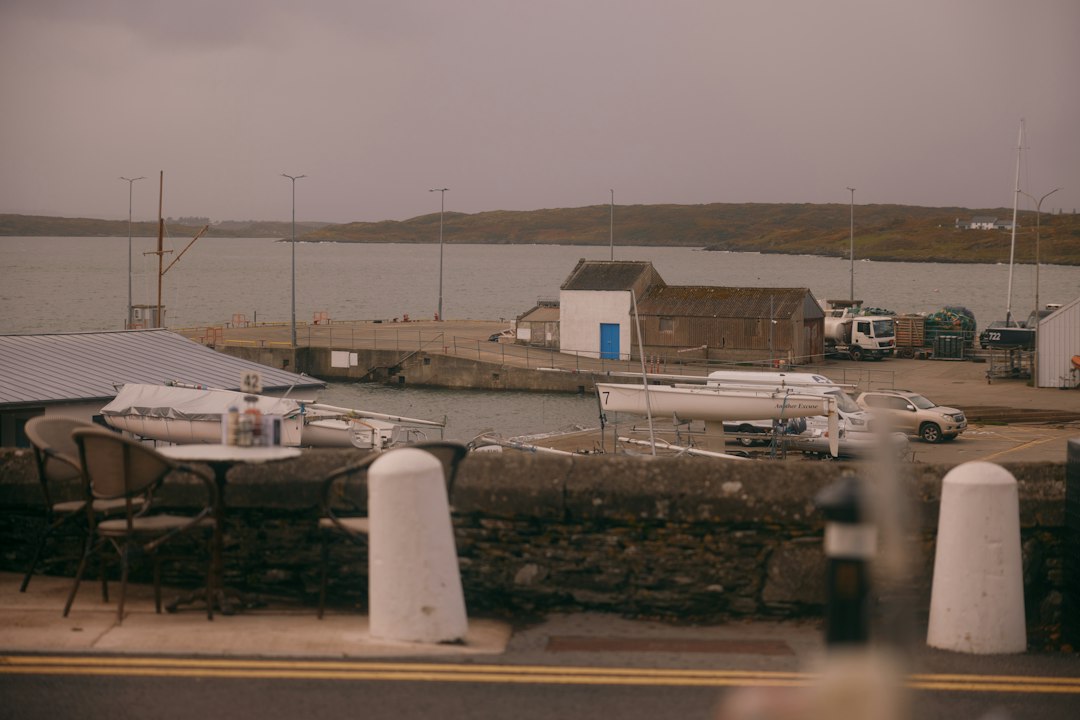
Atlantic City’s coastal setting means residents should take flood alerts seriously, whether the concern is heavy rain, high water, coastal storms or a combination of conditions. This guide is a general preparedness checklist, not a report of a current flood warning. Always follow the latest instructions from emergency officials and check conditions before travelling.
Know Where to Check for Alerts
Before a storm, monitor the National Weather Service’s local forecasts and alerts and check official City of Atlantic City updates. Do not rely on an old social media post or a forecast screenshot without a timestamp. If officials issue an evacuation instruction, follow it promptly and use the route they recommend.
Review your household’s likely risks in advance. If you live or work in a low-lying area, know where you could move to higher ground and how you would get there without crossing a flooded road.
Prepare Your Home Before Bad Weather
- Keep important documents, medication lists and essential items in a place that is easy to reach.
- Charge mobile phones and power banks before the weather worsens.
- Prepare drinking water, shelf-stable food, a flashlight, batteries and basic first-aid supplies.
- Move valuables and important electronics away from low floors where practical.
- Secure outdoor furniture, bins and loose items that could be moved by strong wind or water.
- Make a communication plan with family members and include pets or anyone who may need assistance.
Do not attempt risky repairs or enter standing water to protect possessions. If you are told to evacuate, leave promptly rather than waiting to move belongings.
Make Safer Travel Decisions
Flooding can cover road markings, hide potholes and damage road surfaces. Never drive around a road closure or through floodwater. Even shallow, moving water can knock a person down, and deeper water can move a vehicle. Choose another route or delay non-essential travel when conditions are unsafe.
Be careful around underpasses, low-lying streets, drainage channels and waterfront areas. Water can rise or move more quickly than it appears. Keep away from downed power lines and report hazards through official channels rather than approaching them.
What to Do During a Flood Warning
Listen to official instructions and be ready to move to a safer location. If authorities tell your area to evacuate, do so immediately. If you are not told to leave, continue monitoring updates and avoid unnecessary journeys. Do not enter floodwater on foot, by bicycle or in a vehicle.
For health and safety guidance, the U.S. Centers for Disease Control and Prevention provides a current flood-preparedness checklist. The National Weather Service’s local office is another source for forecast and warning information. Emergency instructions for your specific neighbourhood take priority over general online advice.
After Water Recedes
Do not assume a road or building is safe as soon as water goes down. Follow official advice before returning to an evacuated area. Avoid contact with floodwater, which may contain sewage, chemicals, debris or electrical hazards. If water has entered a building, be cautious around electrical equipment and seek qualified help before restoring power or starting cleanup.
Frequently Asked Questions
Should I drive through a flooded street if the water looks shallow?
No. Depth and road damage can be difficult to judge. Turn around and choose a safe alternative.
Where should I keep important documents?
Store paper documents in a waterproof container and keep secure digital copies where you can access them if you need to leave quickly.
Does this article mean a flood warning is active now?
No. This is an evergreen preparedness guide. Check official weather alerts and City of Atlantic City updates for current conditions.
Final Thoughts
Preparedness is mainly about knowing where to get reliable alerts, keeping essential supplies ready and making conservative travel decisions. Plan before bad weather arrives and follow local emergency instructions if conditions change.