
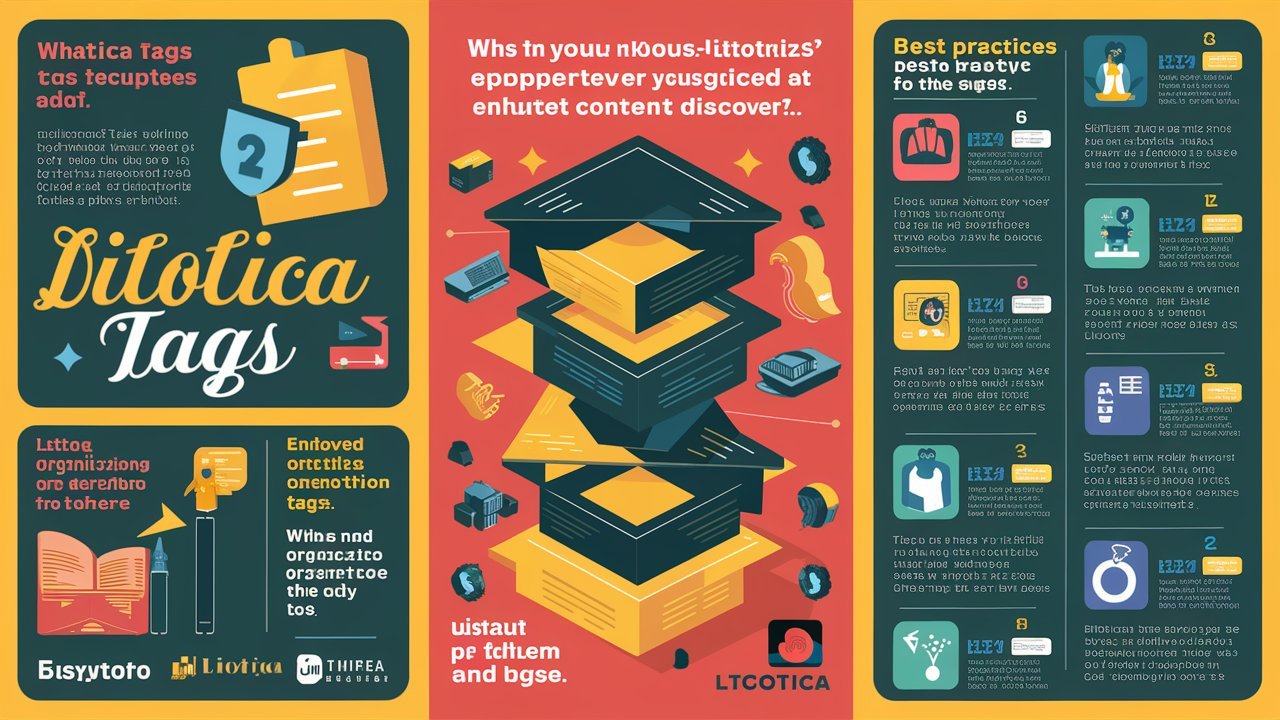
Litotica tags have become an increasingly discussed topic in the world of digital content, SEO optimization, and structured information systems. While many website owners and content creators focus heavily on common tags and metadata, litotica tags offer a more refined and purposeful approach to organizing, labeling, and enhancing content visibility. Understanding litotica tags is essential for anyone who wants to improve content clarity, search engine discoverability, and overall user experience without relying solely on traditional tagging methods.
In this article, we will explore litotica tags in depth, including their meaning, how they work, why they matter for SEO, and how they can be implemented effectively. This guide is designed to be comprehensive and beginner‑friendly while still offering valuable insights for experienced marketers and developers. By the end of this article, you will have a clear understanding of how litotica tags can strengthen your content strategy and help your website perform better in search engine rankings
What Are Litotica Tags?
Litotica tags are structured labeling elements used to categorize, describe, and contextualize content in a more precise way than generic tags. Unlike traditional tags that often rely on broad or repetitive keywords, litotica tags focus on semantic relevance and contextual accuracy. This means that each litotica tag is intentionally designed to reflect the deeper meaning of the content rather than simply matching popular search terms.
The core idea behind litotica tags is to reduce ambiguity while increasing clarity for both users and search engines. When implemented correctly, these tags help search engines understand what a page is truly about, how it relates to other content, and which queries it should rank for. As a result, litotica tags play an important role in improving content organization, internal linking structures, and topical authority.
How Litotica Tags Work
Litotica tags work by creating a logical and semantic framework around content. Instead of tagging a page with multiple loosely related keywords, litotica tags focus on intent‑driven labeling. Each tag represents a concept, theme, or contextual meaning that aligns closely with the page’s primary purpose. This allows search engines to interpret content more accurately and connect it with relevant user searches.
From a technical perspective, litotica tags can be implemented through content management systems, structured data, or internal taxonomy frameworks. They help group related articles, reduce keyword cannibalization, and improve crawl efficiency. Over time, this structured approach strengthens a website’s topical relevance, making it easier for search engines to recognize authority within a specific niche.
Benefits of Using Litotica Tags
One of the most significant benefits of litotica tags is improved SEO performance. By clearly defining content intent, these tags help search engines match pages with the right queries, leading to higher click‑through rates and better rankings. Unlike generic tags that can dilute relevance, litotica tags enhance focus and precision.
Another major advantage is enhanced user experience. When content is properly tagged using litotica principles, users can navigate related topics more easily. This reduces bounce rates, increases time on site, and encourages deeper engagement. Additionally, litotica tags support scalable content growth, making it easier to manage large websites without creating confusion or redundancy.
Litotica Tags and SEO Optimization
Litotica tags contribute to SEO by reinforcing semantic search principles. Modern search engines prioritize meaning over exact keyword matches, and litotica tags align perfectly with this approach. They help search algorithms understand relationships between pages, identify cornerstone content, and evaluate topical depth.
When combined with high‑quality content, proper internal linking, and optimized metadata, litotica tags can significantly enhance organic visibility. They also support voice search and AI‑driven search features, as these technologies rely heavily on contextual understanding rather than isolated keywords.
Best Practices for Implementing Litotica Tags
To use litotica tags effectively, it is important to focus on relevance rather than quantity. Each tag should represent a meaningful concept directly related to the content. Avoid creating duplicate or overly broad tags, as this can weaken their impact. Instead, aim for consistency and clarity across your entire website.
Regularly auditing and refining litotica tags is another best practice. As content evolves, tags should be updated to reflect new insights, trends, and user intent. This ongoing optimization ensures that your tagging system remains aligned with both SEO goals and user needs.
Common Mistakes to Avoid
One common mistake is treating litotica tags like traditional keyword tags. Overloading pages with multiple tags that lack clear intent can reduce effectiveness and confuse search engines. Another mistake is failing to integrate litotica tags into a broader content strategy, which limits their potential benefits.
Ignoring analytics is also a critical error. Monitoring how tagged content performs in search results and user engagement metrics is essential for continuous improvement. Data‑driven adjustments help maximize the long‑term value of litotica tags.
Conclusion
Litotica tags represent a powerful yet often overlooked tool for content organization and SEO optimization. By focusing on semantic relevance, contextual meaning, and structured classification, these tags help both users and search engines understand content more effectively. When implemented thoughtfully, litotica tags can improve rankings, enhance user experience, and support sustainable content growth.
For website owners, marketers, and content creators aiming to build authority and achieve long‑term SEO success, adopting litotica tags is a strategic move. With proper planning, consistency, and ongoing optimization, they can become a foundational element of a high‑performing digital content strategy.
Frequently Asked Questions (FAQ)
What are litotica tags used for?
Litotica tags are used to categorize and contextualize content in a semantically meaningful way, improving SEO performance and user navigation.
Are litotica tags better than traditional tags?
Litotica tags are more precise than traditional tags because they focus on intent and meaning rather than generic keyword repetition.
Can litotica tags improve Google rankings?
Yes, when used correctly, litotica tags help search engines understand content relevance, which can lead to improved rankings and visibility.
How many litotica tags should be used per page?
There is no fixed number, but it is best to use only a few highly relevant litotica tags that accurately reflect the content’s core themes.
Do litotica tags require technical knowledge?
Basic implementation does not require advanced technical skills, but integrating them into structured data or complex taxonomies may benefit from technical expertise.
